Blind Descent Building and Base Reclaim
Turn the abandoned Pioneer camp into a foothold - before the jungle takes it back.
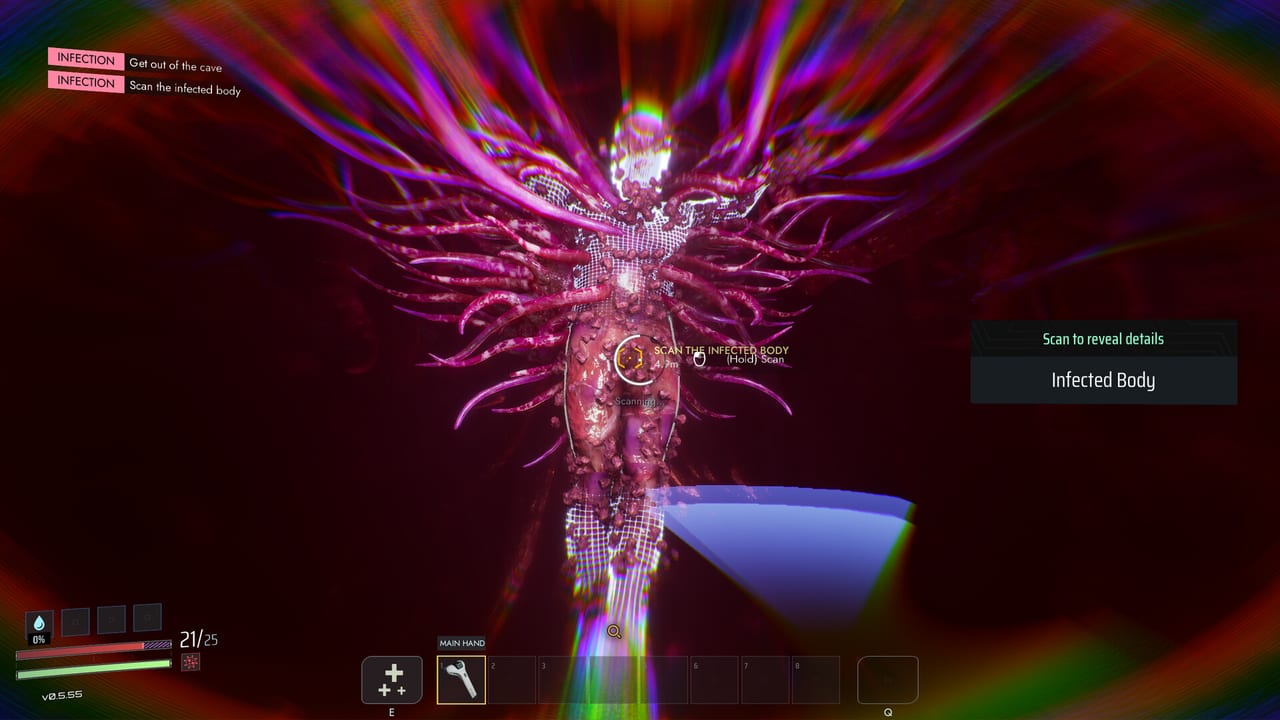
Every Pathfinder needs a door that closes. In Blind Descent that door sits inside the abandoned Pioneer base - a human foothold already half-swallowed by Martian vines, fungus, and infection growth. This guide covers reclaiming that camp, placing furniture and crafting stations, maintaining structures against overgrowth, and building with friends in online co-op (up to 4).
Read this after Getting Started once you have a suppressor and basic tools. Tie gear upgrades to the gear tier list. Keep meters honest with Survival Basics. Blind Descent launches into Early Access on December 2, 2026; expect station recipes and build limits to expand after launch.
Why the Pioneer base matters
The crash site teaches scanning and fire. The Pioneer base teaches logistics. It is where storage, medical crafting, workbenches, and rest loops converge. Holowatch steers you here because the previous crew already paid the setup cost - then disappeared. Your job is not to found a city on day one. Your job is to borrow their infrastructure faster than the ecosystem reclaims it.
Design themes to remember:
- Bases are maintained, not permanently owned.
- Vines and fungus overtake neglected structures.
- Infection can seal wings behind biological walls until you clear or bypass them.
- Co-op multiplies build speed and also multiplies mess if nobody owns maintenance.
First reclaim pass
Arrive with an axe, light source, scanner, and suppressor already applied. Clear obvious hostiles, scan growth on doors, and restore power where medical or storage modules still hum. Playtest flows often use a powered medical tent as the infection lockdown classroom - keep that space clean; you will craft more suppressors there.
Reclaim checklist:
- Secure one indoor room with a controllable exit.
- Place or repair a crafting focus for tools and medical items.
- Create labeled storage so co-op partners do not dump chaos piles.
- Add a campfire or cooking setup near - not blocking - the main door.
- Mark the Holowatch map so lost squadmates can home in.
If a main building is sealed behind infection, treat it as a mid-term objective rather than a softlock. Loop exterior resources until you have the tools or mutations needed to push in.
Furniture and crafting stations
Stations turn scavenged junk into progression. Prioritize anything that supports:
- Suppressors and medical crafts - infection never ends.
- Tools and weapons - stone axe into spears, bows, and later rifles (gear tier list).
- Storage - death runs and panic drops hurt less when overflow lives on shelves.
- Rest / mattresses - playtest patches even fixed mattress models; comfort items are real builds, not fluff.
Place stations with traffic in mind. In co-op, put high-use benches where four players can approach without trapping someone in a corner when a creature walks in. Keep a clear lane from the door to the medical craft spot.
Vines, fungus, and neglect
Blind Descent’s overgrowth is a statement: you are camping inside a living network. Leave for a long expedition without upkeep and expect structures to look less like yours. Practical response:
- Schedule a maintenance loop after every major delve.
- Cut back vines that block doors before they block escapes.
- Do not assume sealed wings stay sealed in your favor - infection grows both ways.
- Science Pathfinders should over-invest in tools for clearing. Symbiosis Pathfinders may gain interactions with infected objects later (Mutation System), but still need a clean crafting floor.
Co-op building
Online co-op (up to four, cross-platform listed on Steam) makes base reclaim faster if roles are explicit:
- Architect - places stations and decides room function.
- Gatherer - feeds wood, fiber, ores, and medical mats.
- Security - watches doors while others craft.
- Medic - owns suppressor production and infection callouts.
Agree on mutation policy before optional nodes near camp. One player suddenly changing how they interact with infection growth can confuse builders mid-placement. More party notes: Co-op. Older playtest notes warned about joining during opening infection cutscenes - wait for those scenes to finish before friends connect so inventories and menus stay stable.
Linking base progress to exploration
A base is only useful if it shortens the next loop. After each upgrade, push a short expedition:
- Map acid lakes and gas pockets (Survival Basics)
- Test grappling lines back toward camp
- Stage supplies for the First Dungeon / Silkworm Queen
- Decide whether science gear or mutations will carry the boss prep (mutations tier list)
Deposit loot before vanity decorating. Pretty camps that cannot produce arrows or suppressors are museums.
Expansion mindset for Early Access
At EA launch (December 2, 2026) expect the Pioneer footprint to be the tutorial hub rather than the final megabase. Full 1.0 is estimated about a year after EA starts, with consoles planned then - not at EA. Build habits that survive recipe changes: clear labels, central medical crafts, and overgrowth patrols will still matter when new stations arrive.
Related pages
- Getting Started - reach the camp
- Survival Basics - keep meters stable while building
- Mutation System - when infection changes how you interact with growth
- Controls - place and interact binds
- Guides Hub - full index
You do not conquer the underground with walls alone. You keep a light on, a suppressor ready, and a workbench clear - knowing the jungle is patient enough to wait until you get lazy.
Frequently Asked Questions
Quick answers about Blind Descent survival, mutations, and co-op.
Where do I build in Blind Descent?
Start by reclaiming the abandoned Pioneer base. It already has human infrastructure, but vines, fungus, and infection will overrun neglected structures.
Do bases decay or get overgrown?
Yes. Official messaging emphasizes that vines and fungus overtake structures you fail to maintain. Schedule clearing passes after long expeditions.
Can friends build together?
Yes. Blind Descent supports online co-op for up to four players, including shared base reclaim and crafting. Assign roles so stations and storage stay organized.
What should I build first?
Secure a room, then prioritize medical/suppressor crafting, tool stations, storage, and a cooking fire before cosmetic furniture.
How does base building tie into gear?
Workbenches unlock and sustain weapon and tool progression. Track upgrades on the gear tier list once your Pioneer stations are online.