Blind Descent Survival Basics Beneath Mars
Hunger, infection, night, stamina, and the hazards that define every Pathfinder expedition.
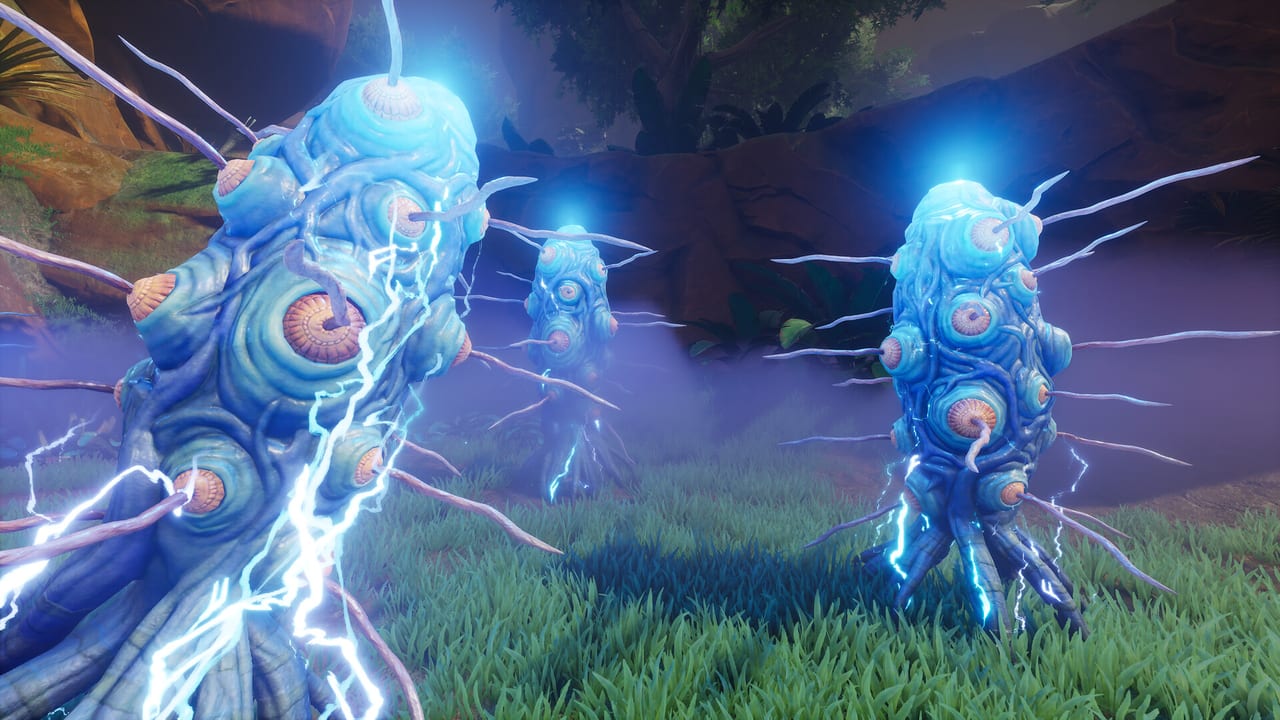
Survival in Blind Descent is not a side meter you ignore between story beats. Ten miles under Mars, the ecosystem sets the tempo: you scan, gather, craft, maintain a base, explore, and adapt - or the infection and the weather finish the job. This page expands the daily loop after Getting Started. Pair it with Mutation System when you decide how far to lean into contamination, and with Building and Base when you need a safe place to reset.
Blind Descent launches into Early Access on December 2, 2026. Advice here reflects official systems messaging and public playtest coverage. Bindings and HUD details may shift; confirm inputs on Controls.
Hunger and thirst
Hunger and thirst behave like classic survival pressure with a Martian twist: much of what looks edible is toxic until scanned or mutated around. Holowatch will warn you when hydration and calories slip. Cook at a campfire when you can; raw experiments are how Pathfinders become case studies.
Habits that keep runs alive:
- Scan before you eat. Unknown plants and meats are research subjects first.
- Carry a cooked surplus when you leave the Pioneer camp - night and storms delay returns.
- If you unlock xeno digestion (see mutations), alien flora that once poisoned you can become a food line. That is a build choice, not a free lunch - infection still needs suppressors.
- In co-op, assign one player to watch meters while another fights; four Pathfinders dying of thirst in the same acid ravine is a teachable moment.
Night threats
Underground night is less about a sun setting and more about light discipline, creature aggression, and reduced visibility. Playtest footage shows Pathfinders who wander without a fire or light source getting punished hard. Treat darkness as a resource cost: every minute without a plan drains stamina, calm, and map knowledge.
Night checklist:
- Have a campfire or lit structure before the danger window.
- Do not start a long grappling traverse when meters are already yellow.
- Prefer short loops from the base until you know patrol paths.
- Keep a ranged option (bow / later rifles) for things you hear before you see.
Infection - permanent, manageable
Infection is central. Holowatch detects an unknown pathogen early, labels the changes as mutations, and eventually admits there is no cure. Suppressors crafted from Pioneer blueprints slow the infection; they do not erase it. If you skip suppressors, the pathogen will kill you.
Operational rules:
- Craft the first suppressor as soon as lockdown / medical beats require it (Getting Started).
- Stock materials for the next dose before a long dungeon push.
- Understand that leaning into infection unlocks symbiosis powers - telekinesis-style interactions and digestion changes appear in playtest stories - but also deepens your dependency on the ecosystem.
- Rank specific mutations on the mutations tier list once you know which tools you still want to craft as a human.
Scanning as survival, not busywork
The scanner is how Blind Descent teaches without a wall of tutorials. Scan lifeforms, corpses, devices, and infection clusters. Holowatch converts scans into labels, weaknesses, and story. Creatures such as crab-like and frog-like fauna populate the jungle; most of them exist inside a broader biological network rather than as random spawns.
Scan priorities on every outing:
- New flora near water or acid
- Anything Holowatch flags as biohazard
- Structural growth sealing doors or paths
- Optional infection nodes if you are hunting mutations
Combat and stamina
Combat covers bows, spears, axes, and rifles. Stamina matters. Two-handed weapons consume more stamina per swing than light tools. Exhausted Pathfinders miss dodges and lose grappling opportunities. Playtests punish players who trade greedily instead of kiting with terrain.
Combat basics:
- Open with scans when safe - some organisms show acid weakness or other notes.
- Keep a stamina reserve for retreat, not only for the last hit.
- Upgrade toward the loadouts tracked on the gear tier list once the Pioneer workbenches are online.
- In co-op, stagger engagements so one player always has stamina to revive or distract.
Acid lakes, toxic gases, and storms
Hazards called out for Blind Descent include acid lakes, toxic gases, underground storms, and aggressive fauna. Acid terrain denies greedy shortcuts. Gas pockets punish players who never check vertical shafts. Storms and environmental shifts can strand you away from base if you ignored hunger and suppressor timers.
Navigation tips:
- Mark safe ridges and dry shelves on the Holowatch map as fog lifts.
- Carry mobility tools (grappling hook when available) to skip lethal floors.
- Turn around when weather spikes - the Silkworm Queen will still be there tomorrow (First Dungeon).
- Maintain the base so vines and fungus do not erase your crafting stations while you are gone.
Weather and expedition planning
Think in short expeditions: leave with food, water plan, suppressor status, light, and a clear return path. Blind Descent’s fantasy is not infinite backpack tourism; it is adapting to a world that grows into your buildings if you neglect them. Science Pathfinders plan around crafted gear. Symbiosis Pathfinders plan around mutation uptime and infection tolerance. Mixed co-op squads should agree which philosophy leads before they enter sealed caves.
Expedition template:
- Check hunger, thirst, infection, and stamina.
- Confirm map markers and Holowatch notes.
- Pack suppressor materials and a ranged weapon.
- Set a turnaround time before night or storm windows.
- Deposit loot at base before the next push.
How this page connects
- New to the game? Getting Started
- Choosing powers? Mutation System
- Need a hub? Building and Base
- Ready for a boss route? First Dungeon
- Playing with friends? Co-op
- Full index: Guides Hub
Survive by scanning more than you smash, suppressing more than you panic, and treating every acid lake as a suggestion to take the long way home.
Frequently Asked Questions
Quick answers about Blind Descent survival, mutations, and co-op.
What are the main survival meters in Blind Descent?
Watch hunger, thirst, infection, and stamina. Infection has no cure - suppressors only slow it - and stamina gates heavy weapons and escapes.
Do I need to scan everything?
Scan new lifeforms and hazards before eating or fighting them. Holowatch turns scans into labels, weaknesses, and mutation context.
How dangerous is night underground?
Night increases pressure from visibility and threats. Secure light and a campfire, avoid long traverses on empty meters, and return to base on a timer.
What environmental hazards should I expect?
Acid lakes, toxic gases, underground storms, aggressive creatures, and infection growth that can seal paths or reclaim neglected bases.
Does co-op change survival rules?
Meters still apply per player. Online co-op up to four helps with watches and combat, but everyone still needs food plans and suppressors.