Blind Descent Crafting Guide
Scan, gather, craft, and keep stations alive at the Pioneer base—before infection and night close the window.
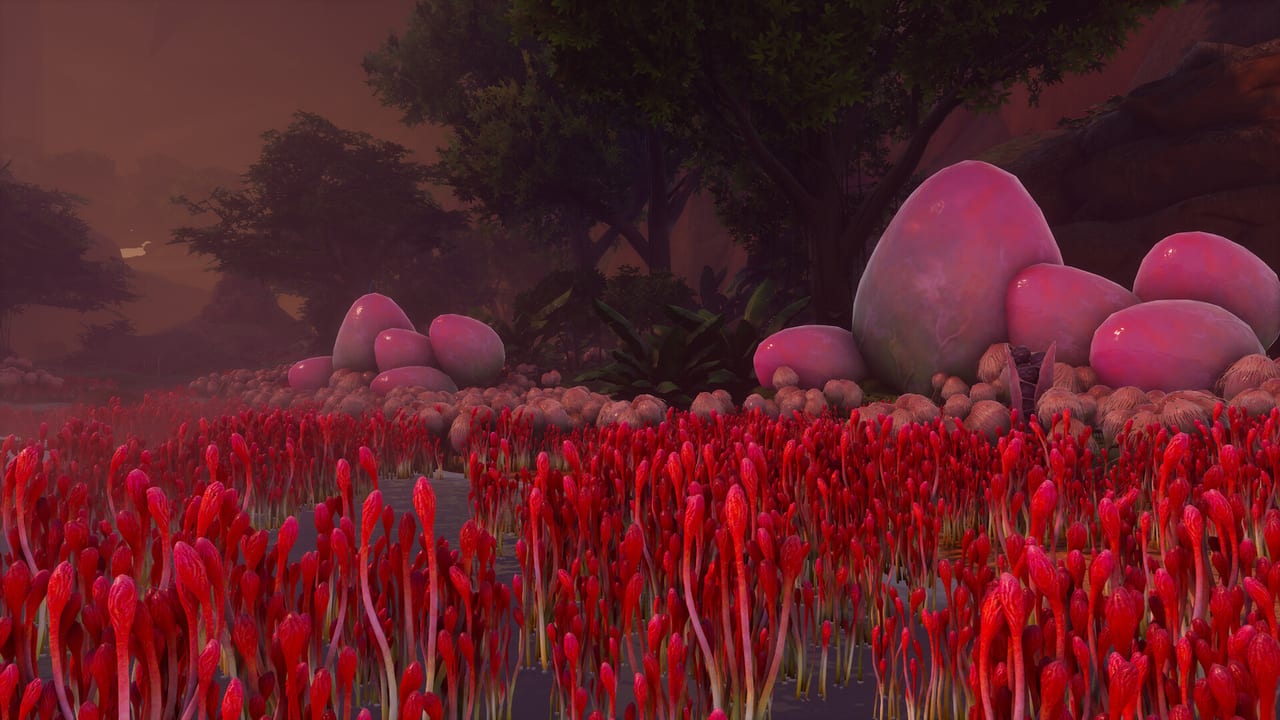
Crafting is the human half of Blind Descent’s survival fantasy. Ten miles under Mars in 2071, a Marsborn Mining Company Pathfinder who cannot turn rocks, vines, and scavenged Pioneer parts into tools will feed the underground jungle instead of mapping it. This guide explains the craft loop, early stone axe and fire priorities, stations at the Pioneer base, stamina costs on two-handed weapons, and what Playtest Update v0.5.70 telegraphed about crafting UI—knowing Early Access on December 2, 2026 can still reshuffle recipes.
Pair this page with Getting Started for the first-hour order, Survival Basics for meters and hazards, Building and Base for keeping rooms craftable, and Mutation System when you decide whether gear or symbiosis carries a run. Gear value rankings live on the gear tier list.
The craft loop in one sentence
Scan → gather → craft → build/maintain → explore → adapt → return with more mats. Holowatch helps you understand what is safe to touch; crafting turns understanding into leverage. Skipping the scanner to “save time” is how you craft poison sandwiches and regret.
Early crafts that unlock the rest of the game
Stone axe
Public trailers and playtests repeatedly show a stone axe assembled from early rocks and vine/fiber equivalents. It is not a meme starter—it opens resource nodes, clears light obstacles, and gives you a melee answer before bows and rifles feel honest. Craft it as soon as the recipe unlocks in the crash vicinity.
Habits:
- Gather within sight of a retreat alcove; greed stacks infection risk.
- Keep the axe repaired or replaced; a broken opener stranding you mid-clear is worse than a slow clear.
- Remember later two-handed weapons tax stamina harder—early axe swings still cost effort, so pace fights.
Fire / campfire
A campfire (or fire pit) follows close behind. Fire cooks, warms, and pushes back night pressure in a world that punishes dark, hungry Pathfinders. Place it in a defensible pocket, not in a creature lane. Cook only what Holowatch and your scans mark as safe unless a mutation such as xeno digestion has rewritten your gut rules.
Infection suppressor
Crafting is also medicine. Infection has no cure; suppressors only slow it. Pioneer blueprints teach a regular suppressor craft early. Stock materials the way other games stock ammo. Details sit in Getting Started; do not treat suppressors as optional flavor crafts.
Stations at the Pioneer base
After the crash beat, push toward the abandoned Pioneer base. That hub is where crafting stops being a backpack miracle and becomes infrastructure:
- Workbenches / crafting stations for tools, weapons, and medical crafts.
- Storage so death runs and panic sprints do not wipe your mat economy.
- Power and light so you can see recipes and not craft under spore rain.
- Room control against vines and fungus that reclaim neglected structures.
If stations are buried in overgrowth, you do not have a crafting problem—you have a building problem. Clear, repair, then queue crafts. In co-op, assign one Pathfinder as temporary quartermaster so four people do not triple-craft stone axes while nobody builds suppressors.
What v0.5.70 changed (playtest-era)
Playtest Update v0.5.70 (September 10, 2026) called out a crafting UI rework, a crafting tutorial video, broader menu UI work, and a clearer starting flow. Read that as a studio signal: the craft screen must teach itself under stress. Expect further EA passes; do not memorize pixel positions from a September build.
The same update hit combat crafting’s payoff:
- Two-handed weapons: 50% stamina per shot — heavy rifles and similar two-handers are commitment tools, not spray toys.
- Faster weapon animations — feedback is snappier, but stamina still gates volume of fire.
When you craft a two-handed firearm, you are also crafting a stamina budget problem. Pack food, plan retreats, and do not empty the magazine into the first bioluminescent sneeze you meet. Cross-check tier-list gear notes after patches—EA will move costs and stamina again.
Science crafting versus mutation shortcuts
Blind Descent frames a science path (tools, human craft) versus mutation/symbiosis (spores, fruits, biological abilities). Crafting supports both, but differently:
- Science Pathfinders over-invest in stations, suppressors, scanners, spears, bows, and light.
- Symbiosis Pathfinders still need stations—mutations are not a free pass to ignore carpentry—but may craft fewer “human food” pipelines if digestion opens alien flora.
Never assume a mutation replaces a workbench. The jungle will still reclaim a dark base while you admire your new biology. See the mutations tier list for power tradeoffs, not for “skip crafting” advice.
Resource discipline underground
Mats have weight in attention if not always in inventory fiction:
- Scan before harvest when Holowatch is unsure.
- Ferry overflow to Pioneer storage before long loops.
- Keep a suppressor mat reserve tagged in co-op chat.
- Craft light and traversal tools before luxury rifles.
- Revisit recipes after every meaningful patch on the Updates Hub and playtest notes.
Acid lakes, toxic gas, and underground storms punish “one more node” greed. Crafting success is often knowing when to walk home with a half-full pack.
Co-op crafting etiquette
Online co-op supports up to four Pathfinders (cross-platform multiplayer listed on Steam). Good squad habits:
- Call who owns the crafting queue during base time.
- Share blueprint discoveries instead of hoarding Holowatch tips.
- Craft join-order safety: wait out opening sequences before late connects (playtest notes hammered join-during-opening issues).
- Agree whether anyone may spend rare mats on mutation-adjacent crafts without a vote.
Suggested craft priority (first sessions)
- Stone axe
- Campfire / fire
- Infection suppressor + spare materials
- Storage and a reliable station footprint at the Pioneer base
- Light sources / orbs as building allows
- Ranged option (bow/spear emphasis before stamina-heavy two-handers)
- Traversal tools when Holowatch highlights grappling opportunities
- Specialty weapon crafts only after meters and suppressors are stable
How this guide will age in Early Access
Pokuch and META Publishing are using EA (~estimated one year toward 1.0) to expand biomes, story, and systems. Crafting UI already moved in v0.5.70; October 2026 playtest updates kept iterating adjacent systems (swing plants, generator cables, mutation menus). When Steam news contradicts this page, trust Steam, then return here after we verify. Console editions (PS5 / Xbox Series) are planned for full 1.0, not EA day one—PC Pathfinders will see craft balance evolve first.
Related reading
- Getting Started
- Survival Basics
- Building and Base
- Mutation System
- Gear tier list
- Playtest Notes
- Guides Hub
Craft what keeps you alive and human—or craft the tools that let you choose not to stay human. Either way, keep the stations lit.
Frequently Asked Questions
Quick answers about Blind Descent survival, mutations, and co-op.
What should I craft first in Blind Descent?
Prioritize a stone axe, then a campfire, then an infection suppressor. Secure Pioneer base stations and storage before heavy weapon crafts.
Why do two-handed weapons feel punishing?
Playtest Update v0.5.70 set two-handed weapons to about 50% stamina per shot. They hit hard but drain your stamina budget quickly.
Where do I craft after the opening?
Reclaim the abandoned Pioneer base and use its crafting stations, storage, and power. Clear vines and fungus so stations stay usable.
Did the crafting UI change in playtests?
Yes. v0.5.70 included a crafting UI rework, a crafting tutorial video, and broader menu polish. Expect further changes in Early Access.
Can mutations replace crafting?
No. Mutations can change food and abilities, but you still need stations, suppressors, and base maintenance. Symbiosis is not a skip-crafting button.